Latest Breakdown Bpc 157 Can Advertise Wound Recovery
Exactly How To Keep Peptides After Reconstitution For Optimum Potency
Yellowing or browning recommends oxidation or various other chemical destruction has actually occurred. Some shade modification is regular for sure peptides, yet remarkable changes warrant care. Knowing what destruction appears like aids you make informed decisions about whether to make use of saved peptides or replace them. Indications of dampness damages consist of noticeable changes to the lyophilized cake.Oxidation-sensitive Residues
- Hydrolyzed Type I & III Collagen assists advertise flexibility, hydration, and strength, contributing to a more younger and radiant skin tone.
- Reconstituted peptides in clean and sterile water ought to be made use of quickly or iced up instantly.
- Take into consideration transferring remaining peptide to fresh containers or using parafilm as supplemental sealing.
- This simple technique avoids forgotten vials from ending extra.
Reconstituting peptides can reduce their stability promptly, and direct exposure to air can trigger them to oxidize even much faster. For oxidation-prone peptides, make use of degassed buffers to lengthen shelf-life. Aliquoting peptides prior to cold additionally Have a peek here helps avoid break down, permitting storage space for as long as numerous months or years. Before opening or evaluating peptides, bring them to area temperature in a desiccator to stay clear of dampness direct exposure.
Peptide Blending Overview
This difference issues due to the fact that it suggests existing contamination still poses a risk. Clean and sterile strategy during reconstitution remains vital also when utilizing bacteriostatic water. Laboratory Supplier Make use of the smallest gauge needle that permits you to withdraw your dosage efficiently. This is another reason aliquoting right into smaller vials makes sense for multi-week methods. Rather than penetrating the exact same stopper 30 or 40 times over a month, you pierce each smaller vial just a few times. The middle shelf gives the most consistent temperature level.

Utilizing Clean And Sterile Water As Opposed To Bacteriostatic
Over-engineering storage for peptides you will use promptly wastes resources, while under-protecting long-lasting inventory dangers deterioration and wasted research compounds. For scientists with accessibility to ultra-low temperature level freezers, minus eighty levels stands for the gold standard for peptide conservation. At this temperature level, deterioration reduces to almost imperceptible levels. Research studies have shown very little peptide breakdown also after a decade of minus eighty storage. The main restriction is that refrigerated storage space does not totally stop degradation. Wetness access stays an issue, specifically in common laboratory fridges where moisture can vary.Appropriately kept lyophilized peptides are extremely stable. The minus twenty degree freezer is the typical referral for lasting peptide storage. At this temperature, the majority of lyophilized peptides continue to be stable for three to five years, with some maintaining feasibility also longer. A reconstituted peptide kept at 4 levels Celsius commonly remains secure for days to weeks. The exact same peptide in lyophilized form at minus twenty levels can last 3 to five years. At minus eighty levels, researchers have documented minimal destruction also after 10 years of storage space.
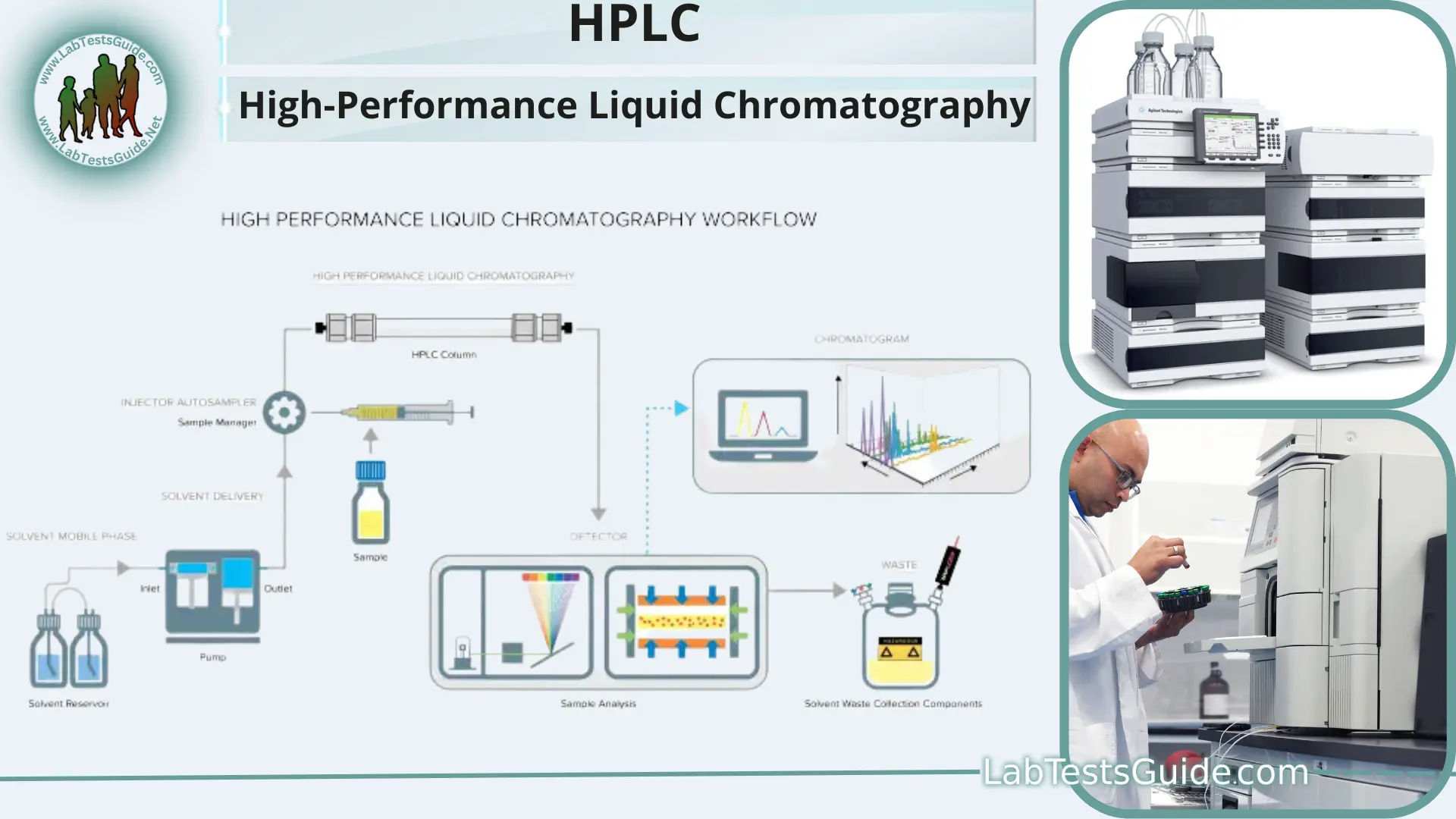
For vital applications, analytical testing gives clear-cut solutions. High-performance fluid chromatography can find degradation products and quantify remaining intact peptide. Mass spectrometry determines particular chemical modifications. These approaches require customized devices yet give definitive assessment of peptide top quality. Correctly maintained peptides must dissolve easily in appropriate solvents, creating a clear, colorless to a little yellow solution. Trouble liquifying or prolonged dissolution times may show aggregation or chemical adjustments.